The days are short, a thick layer of clouds makes the day gray, and it seems as if the morning twilight is fading into the evening twilight. On days like these, it can sometimes be difficult to find bright spots. On those days, imagination can help reconnect you with the sunny side of life.
A well-known form of meditation is guided imagery . This form of meditation can play an important role in regulating the nervous system. In this article, I explain how guided imagery helps the nervous system return from a state of overstimulation or “alarm” to a more balanced and calm state.

Guided Fantasy
Guided imagery is a relaxation technique that involves creating positive, calming mental images, often with the help of a therapist or an audio recording. It's based on the idea that the mind and body are intimately connected and that mental images can trigger physical responses.
Its main role in regulating the nervous system is to activate the parasympathetic nervous system (the “rest and digest” system) and reduce activity in the sympathetic nervous system (the “fight-or-flight” system).
Below you will find an example of a guided imagery that you can listen to yourself to experience the effect on your nervous system.
Morning Lying Meditation – Guided Imagery
(video recording by Tijs Breuer, 25-11-2025)
You can find more such lying meditations with guided imagery here (ask for the password to access the videos).
What are the proven effects of guided imagery on the nervous system?
- Reduction of Stress and Anxiety: By imagining yourself in a safe, peaceful place, guided imagery can send signals of safety to your brain. This helps calm the stress response.
- Physiological effects: Activation of the parasympathetic system can lead to physiological changes such as:
- Decrease in heart rate.
- Lowering of blood pressure.
- Delay in breathing.
- Muscle relaxation.

Research
Guided imagery is widely recognized as a relaxation technique that actively contributes to the regulation of the nervous system through the mind-body connection by inducing a calming response. Scientific research on the effects of guided imagery has found a correlation with factors such as stress, anxiety, and pain management.
- Anxiety reduction: Studies, such as those examining the effects on anxiety, muscle pain, and vital functions, show that guided imagery can significantly reduce anxiety (source 1). The reduction in anxiety indicates a shift in nervous system activity.
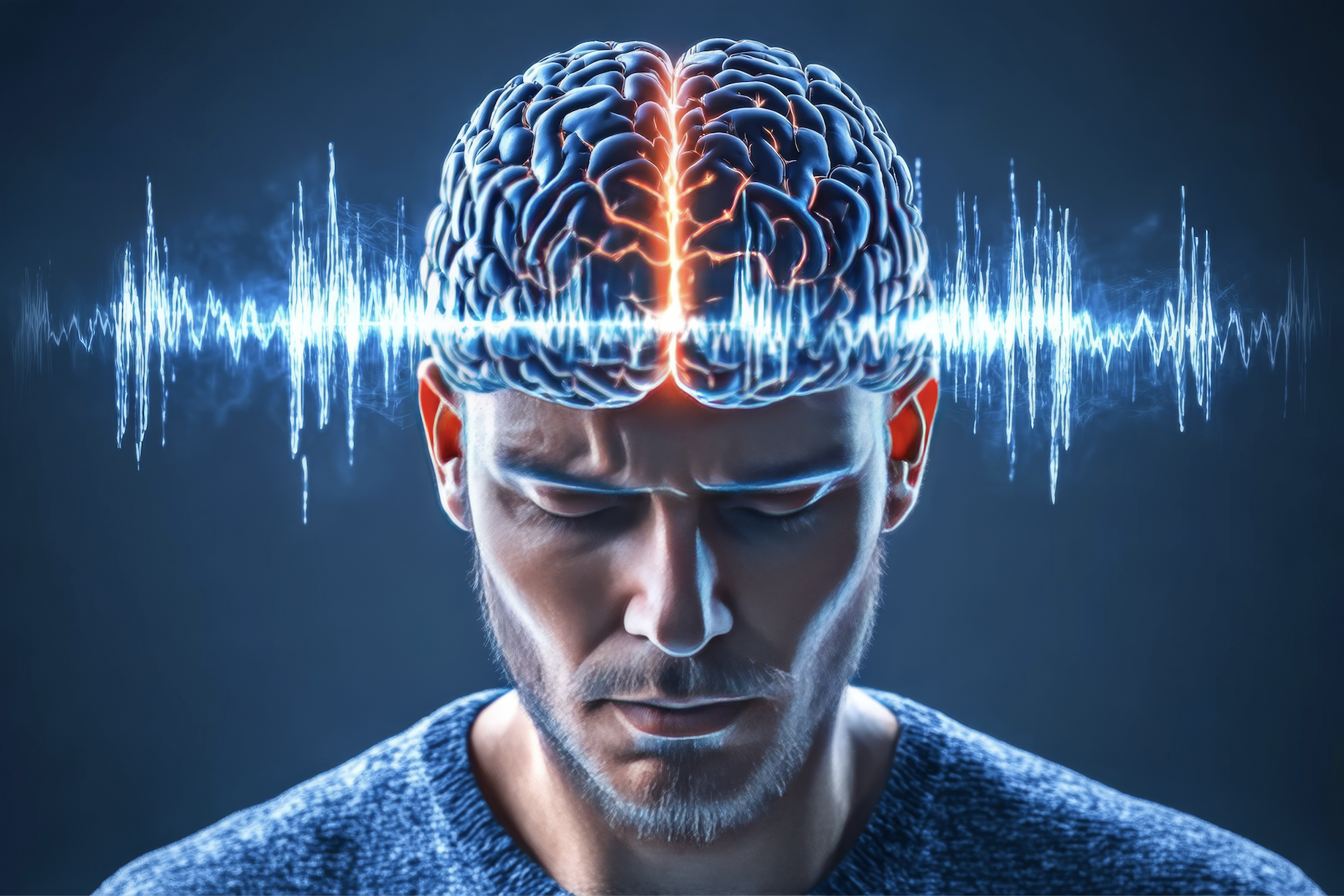
- Brainwaves: There is also research suggesting that guided imagery can influence brain activity, for example by increasing alpha brain waves (associated with relaxation and calmness) (source 2).
- Physiological Parameters: Research also focuses on measuring physiological parameters that reflect nervous system regulation, such as heart rate variability (HRV). A higher HRV is associated with a healthier, more flexible nervous system that can respond well to stress. Although not all search results directly mention this, the influence of exercises (such as relaxation techniques) on the autonomic nervous system and the immune system is recognized (source 3).
Source reference:
Below you will find links to scientific sources discussing the effects of guided imagery on the nervous system and related measurements. The first two sources are articles from the biomedical literature via PubMed Central (PMC); the third is a news report from Radboudumc regarding the general influence of exercises on the nervous system.
| Source no. and link | Title | Description |
| 1 Link | Effect of guided imagery on anxiety, muscle pain, and vital signs in… | Research into the effect of guided imagery on anxiety, muscle pain and vital functions. |
| 2 Link | Investigating the Impact of Guided Imagery on Stress, Brain… | Research into the impact of guided imagery on stress, brain activity (alpha power) and cognitive performance. |
| 3 Link | Exercise affects the autonomic nervous system and immune system – Radboudumc | News item about the influence of exercise on the autonomic nervous system and immune system. |
Founders
I would like to highlight three important founders of therapies that use guided imagery. They developed methods that utilized the unconscious and the symbolic language of the psyche for therapeutic purposes.
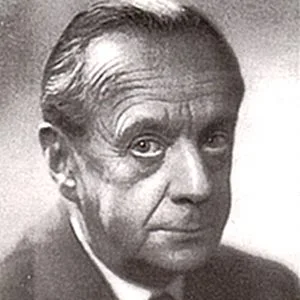
Johannes Heinrich Schultz
Johannes Heinrich Schultz (1884-1970) was a German psychiatrist. He is often mentioned in the context of the early development of relaxation techniques using mental images. He introduced Autogenic Training (AT).
Autogenic Training (AT) , an influential relaxation technique developed in the 30s. Although AT is primarily a form of deep relaxation through self-suggestion , it also includes exercises that utilize guided imagery.
- Focus: Teaching the body to relax (heaviness, warmth, calm heartbeat and breathing) through repetition of short formulas.
- Guided Fantasy Component: The higher stages of AT involve recalling colored images en concrete objects (like a flower or a mountain) to influence and process deeper psychic processes.
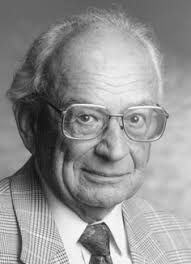
Hanscarl Leuner
Hanscarl Leuner (1919-1996) was also a German psychiatrist. He is considered the founder of a specific psychotherapeutic method based entirely on the use of internal images: Katathymic Imaginative Psychotherapy (KIP), which was developed in the 50s.
Katathym Imaginative Psychotherapy (KIP) is also known as Symbol Drama or Katathym Visual Experience.
- Katathym: This comes from the Greek (kata = belonging to, thymus = heart/soul/mind) and emphasizes that the images colored by emotion .
- Method: The client lies down in a relaxed state and is asked to starting motif (e.g., a meadow, a mountain, or a tree). The therapist verbally guides the client through this inner fantasy world.
- Target: The images and symbols that spontaneously emerge unlock unconscious material, conflicts, and survival patterns. This material is then discussed and processed within the context of the therapeutic relationship.
Helen Bonny
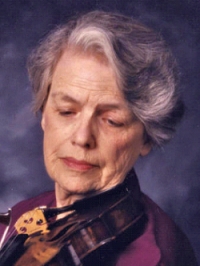
Another influential figure, especially in the United States, is the musician and therapist Helen Bonny (1921–2010). She introduced Guided Imagery and Music (GIM).
The Bonny Method of Guided Imagery and Music (BMGIM) is an experiential therapy that uses classical music to evoke and explore inner, dynamic images. The music acts as a 'cothereut' and facilitates the images and the emotional process, leading to profound psychological insights and processing.
Solution-focused coaching
A form of therapy that uses the power of (childlike) imagination to arrive at solutions is Solution-Focused Therapy (SFT), or Solution-Focused Brief Therapy (SFBT) . This is a short-term and results-oriented coaching process that I frequently use in my practice.
Core idea
The Solution-Focused Therapy method does not focus on analyzing problems from the past, but rather on building the desired future and utilizing existing strengths and successes.
The method was developed in the 80s by Steve de Shazer and Insoo Kim Berg , and their colleagues at the Brief Family Therapy Center (BFTC) in Milwaukee, United States.
While working with multi-problem families, they discovered that an in-depth analysis of the problems wasn't always necessary to achieve effective change. By shifting the focus to solutions the client already possessed, they could achieve results faster and more efficiently. Their approach is partly influenced by the work of strategic systems therapy, particularly that of the Mental Research Institute (MRI) in Palo Alto.

How does a coaching session proceed?
The premise of a coaching session – based on Solution-Focused Therapy – is that the client is the expert of their own life. A number of specific questions and techniques are used in this process.
1. From Problem to Goal
You describe your problem: "What's wrong?" Together, we'll formulate a treatment goal for the coaching process. The focus is on a positive and concrete description of your desired future.
2. The Miracle Question
This is one of the most famous techniques in OGT. The therapist poses a hypothetical question to help the client vividly imagine their desired future.
“Suppose that tonight, while you sleep, a miracle happens and the problem for which you are here is solved. Because you were asleep, you do not know it. What, then, is the first small difference that you will notice tomorrow morning, making you realize that the miracle has occurred?”

3. Coping and exceptions
Together we look for moments in the past or present when the problem was less severe or even absent (the exceptions).
- We look at ways of dealing with the current situation: How do you cope? What do you do to keep the situation from getting worse?
- We look at exceptions to the situation: When did the problem not exist, or was it less serious? What did you do differently then?
4. Concrete steps
After answering the miracle question, identifying coping mechanisms and exceptions, I'll help you identify concrete and achievable steps that can bring you closer to your desired goal.